Power Tool: What You Really Need in Your Toolbox
When it comes to home repair or DIY work, having the right tools makes life easier. A few solid power tools can save time and help get jobs done right. But with so many out there, it’s tough to know which ones matter most. No one requires every tool on the shelf. A basic toolbox with just the essentials is all most folks need.
Why Power Tools?
Hand tools are fine for simple fixes, however power tools do the heavy lifting. They work faster, cut cleaner, and need less effort. That means fewer sore hands and more time saved. Whether you’re fixing a shelf, building a deck or only hanging some frames, power tools help get it done quicker and better.
Top Power Tools Every Toolbox Needs
Let’s break it down to the must-haves. No fluff here—just tools that earn their keep.
Cordless Drill
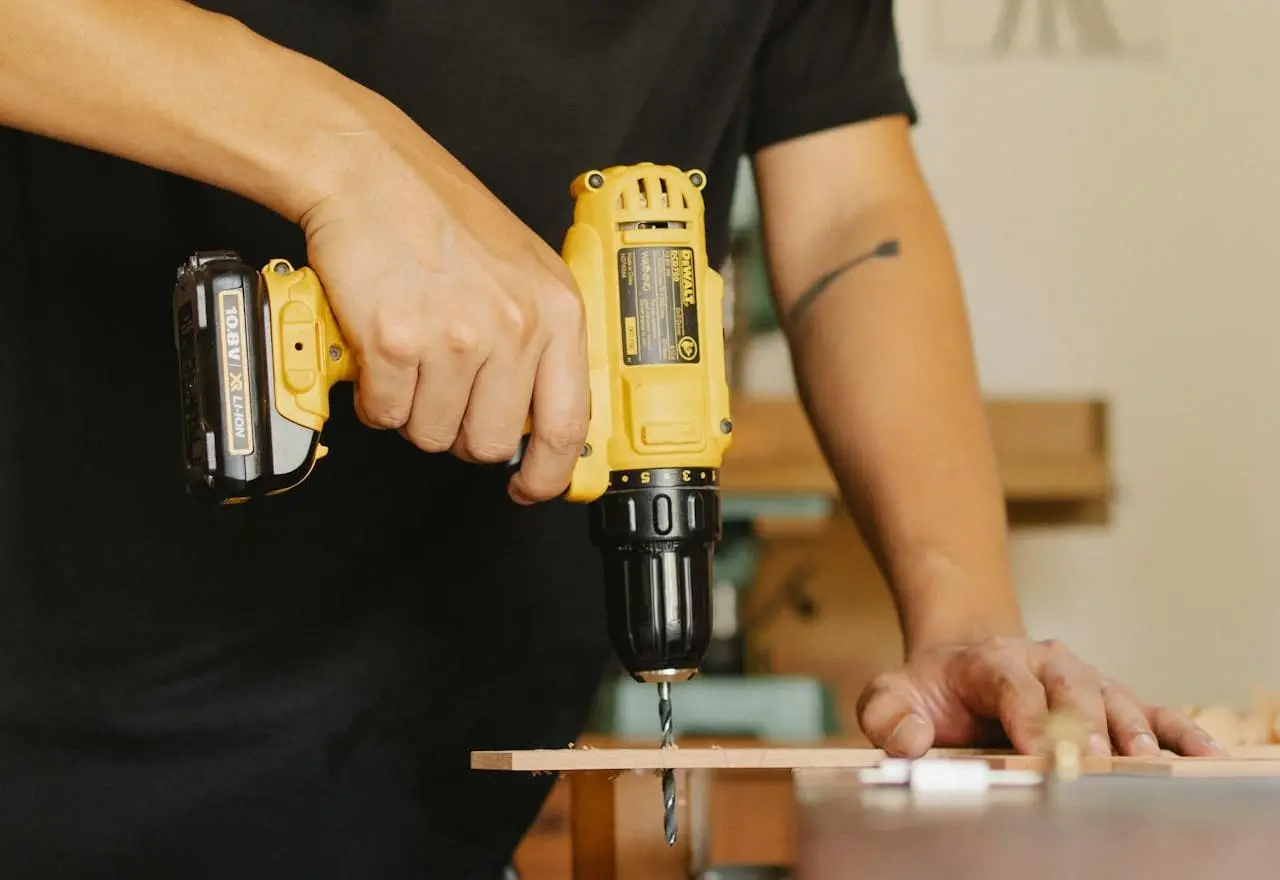
This one tops the list. A cordless drill handles screws, drills holes and even mixes paint if needed. It’s super handy for quick fixes or full weekend jobs. Look for one with a good battery and at least two speeds. Most come with a set of bits, but getting extras never hurts.
Jigsaw
Need to cut wood or plastic? A jigsaw’s the go-to. It’s easy to use and great for curved or tricky cuts. It’s not just for pros either, beginners can handle it with a bit of practice. Keep extra blades on hand since they wear out quickly, especially on thicker stuff. Buy Makita 4350ct Jigsaw Power Tools.
Angle Grinder
An angle grinder cuts through metal, tiles and even bricks. It even smooths out rough edges. It might seem like a big tool, however it’s handy more often than you’d think. Just make sure to wear goggles. Safety first, yeah?
Orbital Sander
This one saves loads of time on sanding jobs. Instead of scrubbing by hand, just switch it on and glide. It’s an ideal for prepping walls or smoothing out furniture. For best results, use fine-grit paper and take it slow. Buy Makita BO5030 Random Orbital Sander.
Impact Driver
Looks like a drill but hits harder. An impact driver drives long screws into wood or metal without slipping or stripping. If you build things like fences or decks, this one’s a game-changer. It’s compact too, so it fits in tight spots.
Circular Saw
For cutting large boards or making straight cuts, nothing beats a circular saw. It’s quicker than a jigsaw for long lines and works well on big DIY builds. Don’t forget to measure twice and clamp wood before cutting.
Choosing the Right Tools
Now, before rushing out to buy everything, think about your needs. Are you fixing stuff now and then or planning major builds? Start with basics. Upgrade later as skills grow. It’s also smart to stick with one brand. Batteries often swap across tools in the same range.
Price matters too. Cheaper doesn’t always mean worse, but quality tools last longer. That means less money spent replacing stuff down the road. Reading reviews helps and buying tools with good warranties is never a bad idea.
Storing Power Tools Right
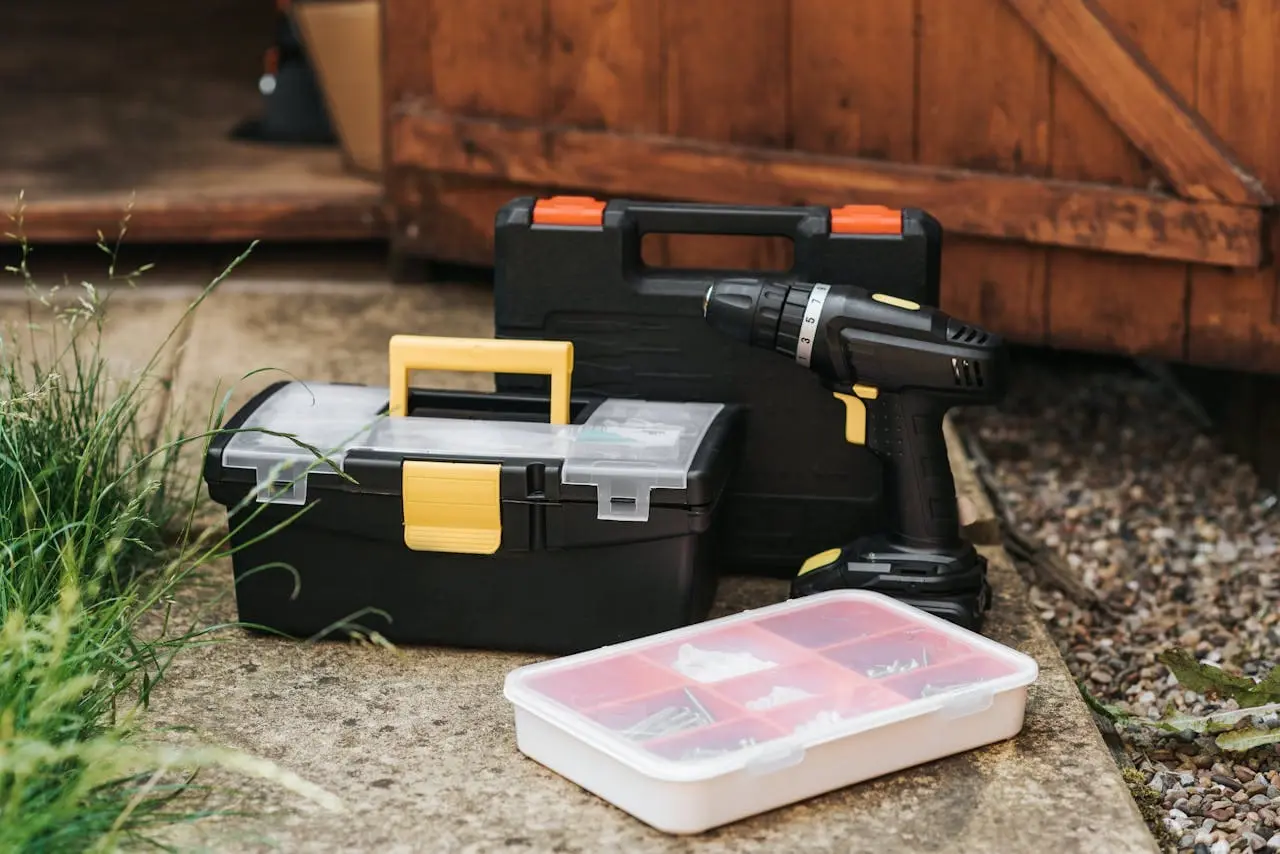
Even great tools won’t last if they’re tossed in a corner. Keep them clean and dry. Cases help, but a toolbox or cabinet works fine too. Charge batteries often, even once not in use. And never leave them plugged in just asking for trouble.
Safety First, Always
Power tools are awesome but can be dangerous if misused. Read the manual. Wear gloves, goggles and earplugs once needed. Never rush a job. Most accidents happen when folks hurry or don’t pay attention.
Must-Have Power Tools
A good toolbox doesn’t need to be packed. Only a few solid power tools can handle most jobs around the house or garden. It’s all about having the right tool at the right time. Start small, learn the basics and also build up from there. In time, those tools will pay for themselves and fixing stuff won’t feel like a chore anymore.