Fast-Moving Castor Wheel Sizes Commonly Used in Dubai Projects
Dubai projects don’t wait. A fit-out team might need a trolley running tonight, while a warehouse might be expanding aisles before the weekend. In that kind of pace, castor wheel size stops being a “small purchase” and becomes a real productivity decision. If the wheel is too small, the beaters fight every floor joint and ramp edge. If the wheel is too large, equipment can end up being tall, wobbly or difficult to park in cramped areas. So it’s pretty simple, really: Just pick the size that rolls well on your surface and handles what you put on it in a way that doesn’t make it harder to get.
In Safatco Trading – Dubai, we keep seeing a few sizes do this over and over. They consider it a popular design only partly because it closely represents the most familiar site conditions around here — smooth warehouse floor epoxy, malls with visitor-directing tiles floors, service corridor paint-on-concrete and rough outdoor surfaces alongside loading bays.
Why Wheel Size Matters More Than People Think (Especially in Dubai)
Wheel size affects a few things immediately:
- Rolling comfort: bigger wheels cross small gaps and uneven patches more easily.
- Push effort: the wrong size can make staff push harder all day.
- Noise & vibration: important in malls, clinics, hotels, and offices.
- Floor marks: some wheels scuff tiles or leave tracks on epoxy.
- Replacement rate: undersized wheels wear out faster, especially with daily use.
Dubai also has a lot of mixed movement—inside to outside, warehouse to truck, corridor to ramp. Because of that, choosing the “cheap quick” wheel can cost more later, simply because it fails sooner. Get details on Hardware Store in Dubai.
The Fast-Moving Castor Wheel Sizes in Dubai (Most Common Requests)
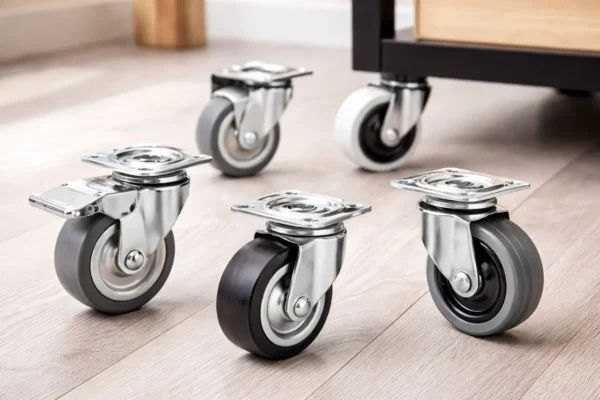
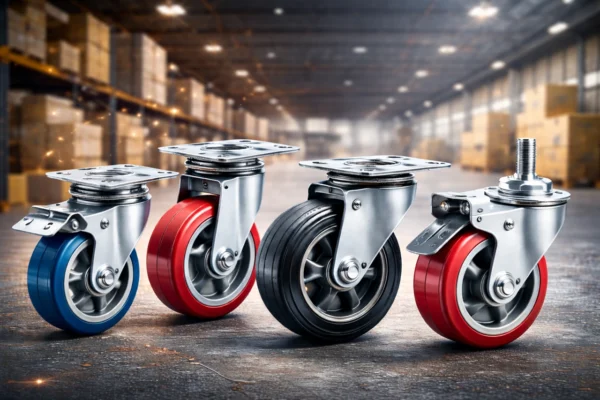
Castor wheels are usually measured by diameter (in inches or millimetres). Here are the sizes we see most often in Dubai projects.
1) 2 inch / 50mm castor wheels
Best for: light equipment, small display stands, compact furniture, low-profile units. A 50mm castor wheel is small and neat. It’s easy to fit under light frames and small cabinets. However, it’s not built for rough movement. It dislikes thresholds, outdoor joints, and uneven concrete.
Where it’s common in Dubai: retail fixtures, light indoor storage, small service units.
2) 3 inch / 75mm castor wheels
Best for: clinic equipment, salon carts, light-to-medium trolleys, mobile stands
The 75mm castor wheel is one of the “safe middle” options. It still turns nicely in narrow places, yet it handles small bumps better than 50mm. That makes it a popular choice for indoor use where people want a smoother roll but can’t increase the unit height too much.
Where it’s common in Dubai: offices, clinics, fit-out work, small workshops.
3) 4 inch / 100mm castor wheels
Best for: If there’s one size that keeps recurring, it’s 100mm. It rolls noticeably smoother than 75mm and performs great on tile, epoxy, and finished concrete. It gets hung up less on small edges and elevator lips, too.
Where it’s common in Dubai: malls, hotels, warehouse operations, facility maintenance.
4) 5 inch / 125mm castor wheels
Best for: heavier carts, logistics trolleys, laundry cages, industrial racks 125mm Cutaway The 125mm castor is the usually a move up when your 100 feels “too tight”, making it the generally required upgrade. It’s less effortful on long pushes, and it remains steady as the loads increase. It is also a good choice if your trolley crosses over indoor floors and slightly rougher bay areas.
Where it’s common in Dubai: logistics, hospitality back-of-house, warehouses.
5) 6 inch / 150mm castor wheels
Best for: ramps, loading bays, outdoor movement, rough concrete, heavier loads. When your gear needs to pass over joints, patches and lumpy bits, 150mm goes a long way. It’s a smoother ride, and a reduction in wheel damage. This size is also fine for carts that frequently travel outside, even if just a short way.
Where it’s common in Dubai: site stores, construction support trolleys, dock movement.
6) 8 inch / 200mm castor wheels
Best for: very heavy frames, harsh surfaces, outdoor industrial movement, large dollies
A 200mm castor wheel is chosen when loads are high and surfaces are not forgiving. These wheels roll over trouble spots that would stop smaller wheels. They’re used less often than 100mm or 125mm, yet they are “fast-moving” in heavy-duty sectors because replacements must be quick when a wheel fails.
Where it’s common in Dubai: industrial handling, factories, heavy logistics, rough-surface travel. Buy Power Tools in Dubai.
A Practical Dubai Sizing Rule (Easy and Fast)
If you want a quick selection shortcut, use this:
Step 1: Look at the surface
- Smooth epoxy / tiles: 75mm–100mm usually works well
- Concrete with joints: 100mm–150mm is safer
- Outdoor / rough areas: 150mm–200mm is the smart choice
Step 2: Think about daily push distance
If staff push the trolley many times a day, go one size bigger. It’s not luxury—it’s fatigue control and fewer wheel failures.
Step 3: Check clearance and unit height
Sometimes you want 125mm, but the unit can’t sit that high. In that case, choose the largest size that still fits safely.
Typical Dubai Uses and the Sizes People Buy Most
Here are common applications and the sizes that usually match them:
- Retail display fixtures:50mm–75mm
- Clinic/office mobile equipment:75mm–100mm
- Platform trolleys (general use):100mm
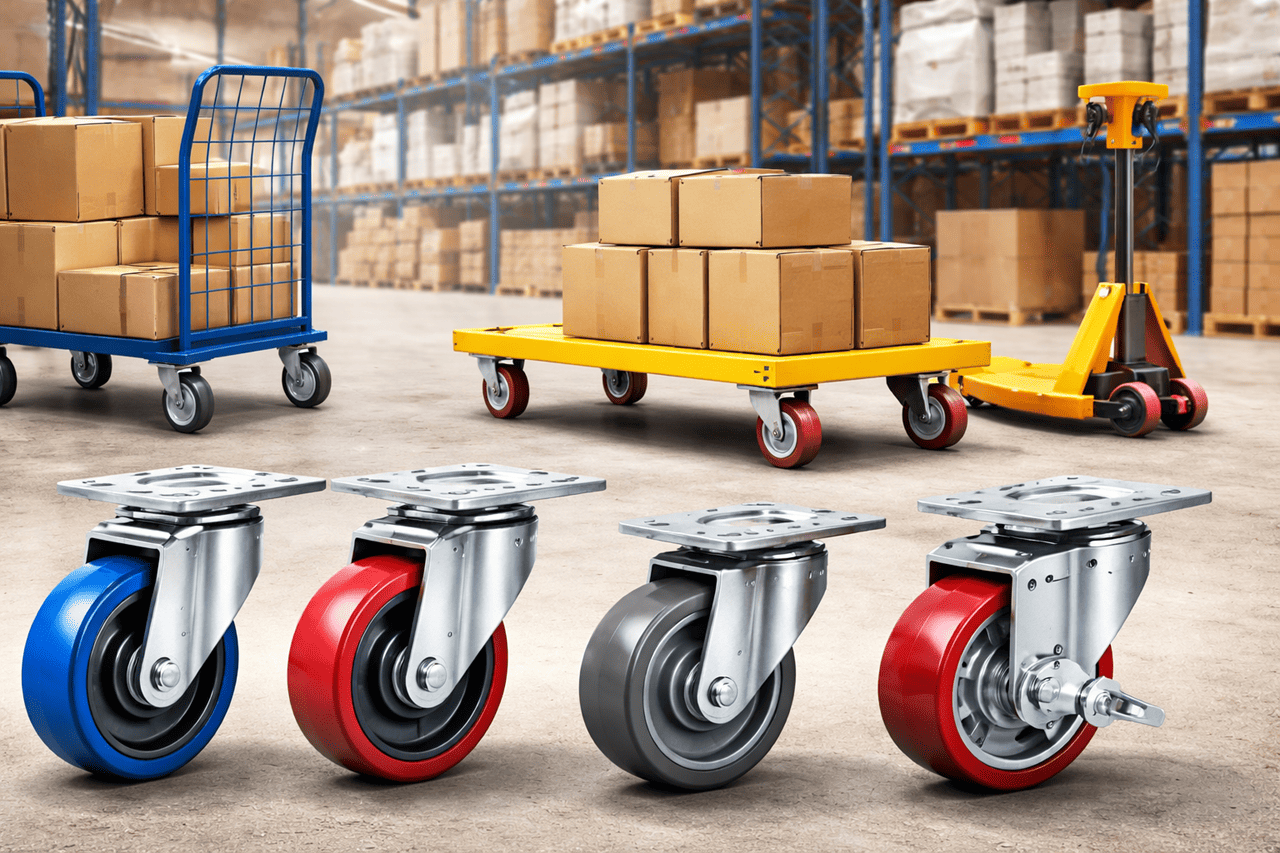
- Warehouse picking carts:100mm–150mm
- Pallet dollies & heavier platforms:125mm–200mm
- Outdoor site movement:150mm–200mm
That’s why many teams keep spares in 75mm, 100mm, 125mm, and 150mm. Those sizes cover a big chunk of Dubai’s day-to-day replacement needs.
Related Articles:
» How to Choose the Right Castor Wheels for Industrial use in Dubai?
» Best Castor Wheels for Warehouse Trolleys and Pallet Dollies in Dubai
» Power Tool: What You Really Need in Your Toolbox?
» How to Use Power Tools Safely and Efficiently?
» Essential Power Tools for Professionals
Don’t Ignore Wheel Width and Bearings (They Change Everything)
People ask for diameter first, but performance often comes from:
- Wheel width: wider wheels spread weight better and feel steadier.
- Bearings: better bearings roll smoother, especially under load.
So, if a trolley “feels heavy” even with the right size, the issue may be bearing quality or wheel material—not just diameter.

Common Mistakes Dubai Buyers Make (And How to Avoid Them)
- Buying wheels too small for the surface
They wear out faster and fight every joint and edge. - Estimating load in a hurry
A trolley rarely loads perfectly. One wheel can carry more than you expect. - Forgetting brakes and swivel control
Brakes matter in ramps, elevators, and loading bays. Make sure the fork and brake type suit the job. - Mixing sizes on one unit
It creates wobble and uneven tracking. It also kills wheels faster. - Not thinking about floor marks
Some wheels scuff tiles and leave traces on epoxy. That becomes a complaint fast—especially in malls and hospitality.
FAQs on “Fast-Moving Castor Wheel Sizes Commonly Used in Dubai Projects”
1) What is the most common castor wheel size used in Dubai?
Most projects buy 100mm (4 inch) because it works across many indoor surfaces and daily trolley use.
2) Which castor wheel size is best for warehouse trolleys in Dubai?
Typically, 100mm to 150mm and it will depend on load and how smooth the floor is.
3) Are 50mm castor wheels good for industrial use?
Not really. 50mm is mainly for light indoor use on smooth flooring.
4) What size castor wheel is common for pallet dollies?
The majority of pallet dollies are between 125mm and 200mm depending on the loads and type of surface.
5) Does a bigger wheel always mean higher load capacity?
Not always. Load depends on the wheel material, core strength, bearing type, and fork, not just size.
6) Which size reduces pushing effort for staff?
125mm–200mm often involves less effort, particularly on long pushes and heavier loads.
7) What size is best for epoxy floors?
100mm or 125mm is common for epoxy warehouse floors and smooth indoor movement.
8) Which castor size handles ramps better in Dubai sites?
Usually 150mm or greater, as bigger wheel rolls over edges better.
9) Is 75mm a good size for clinic equipment?
Yes. 75mm is popular for indoor medical/clinic trolleys where space is limited.
10) What’s the safest size for outdoor rough concrete?
Many people go for 150mm or 200mm, especially if they have heavy loads.
11) Should projects standardise a few castor sizes?
Yes. Common wear parts such as 75mm, 100mm, 125mm, 150mm minimize the damage and reduce downtime.
12) How do I pick the correct castor size quickly?
Check surface, load, and clearance, then select your biggest size that works smoothly.