Best Rollers for Fast Coverage in Commercial Painting Jobs
When you’re on a commercial painting job in Dubai, speed is important. But speed without a neat finish can wind up costing you more in touch-ups, call backs and frustrated customers. The best paint roller makes it faster to cover large walls with a nice, even coat of paint while keeping your lap lines low when you spread and level the paint — especially in big-box rooms or in commercial spaces like offices, warehouses and retail fit-outs, as well as hotels, schools and healthcare facilities.
In this guide from Safatco Trading – Dubai, we’ll break down the best rollers for fast coverage, how to choose the correct nap and core, and which roller types suit Dubai’s common surfaces. Plus, you’ll get practical tips to increase output per hour without sacrificing quality.
Why Roller Choice Matters in Commercial Sites
Commercial sites are different from home painting. You typically deal with:
- Large wall and ceiling areas
- Tight deadlines and night shifts
- Multiple painters working in parallel
- Mixed surfaces (blockwork, gypsum, concrete, old paint films)
- Higher expectations for uniform finish under bright lighting
That’s why selecting the right high-coverage roller is not a “small” decision. The correct roller can reduce passes, improve paint pick-up, and limit splatter. In short, it improves both productivity and finish. Get details on Power Tools in Dubai
Key Factors That Decide “Fast Coverage”
Before choosing the best roller, focus on these performance factors:
1) Roller Nap (Pile Length)
Nap controls how much paint the roller holds and how well it reaches into surface texture.
- Short nap (5–8 mm): smoother walls, minimal texture
- Medium nap (10–12 mm): general commercial walls, faster coverage
- Long nap (15–20 mm): rough walls, blockwork, textured coatings
2) Roller Diameter and Length
For speed, go larger where possible:
- 9-inch rollers: standard, flexible for most sites
- 12–18-inch rollers: faster coverage on large walls and ceilings
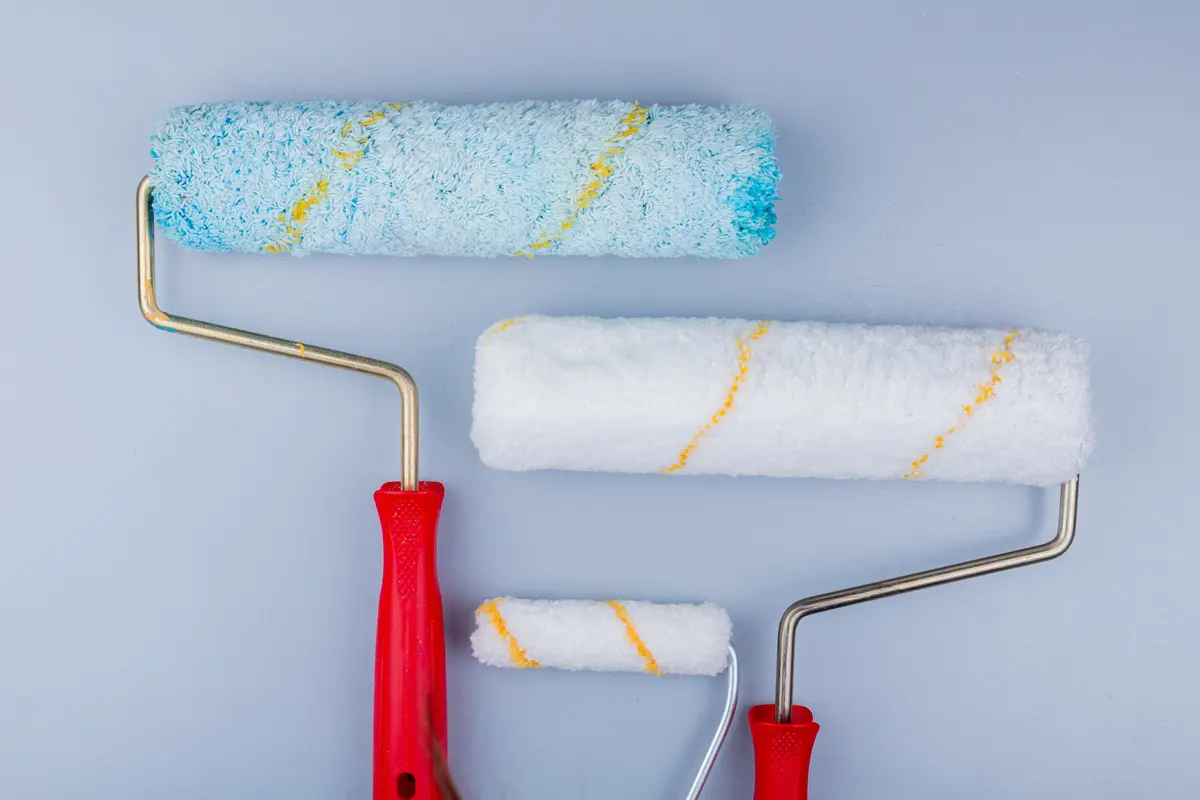
- Mini rollers (4-inch): edges, corners, small touch-up areas
3) Fabric Type (Microfiber vs Woven vs Foam)
The fabric determines paint release, smoothness, and splatter control.
- Microfiber: high paint pick-up and fast release
- Woven (polyamide): durable, good for rough surfaces
- Foam: super smooth finish, but slower on big areas
4) Core and Frame Quality
Commercial speed needs strong equipment.
- Phenolic core: solvent-resistant, durable
- Heavy-duty frame: stable rotation, less hand fatigue
- Ergonomic handle: reduces strain on long shifts
Best Roller Types for Fast Coverage in Commercial Painting
1) Microfiber Rollers for High-Speed Production
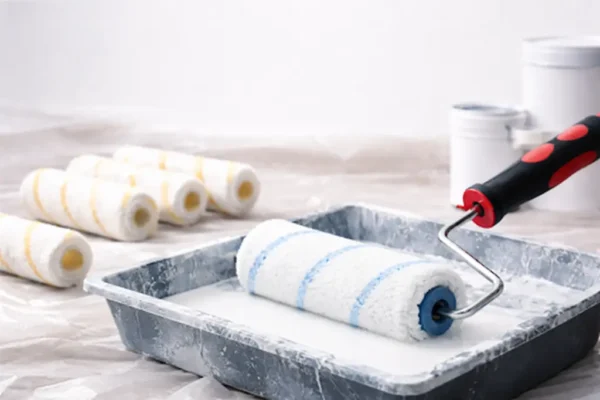
If your job is “cover more square meters per hour,” microfiber rollers are a top pick. They load quickly, carry more paint, and release it evenly. As a result, you reduce time spent reloading the tray or bucket.
Best for:
- Office walls, corridors, gypsum partitions, smooth to lightly textured surfaces
- Emulsion and acrylic paints commonly used in Dubai interiors
Suggested nap:10–12 mm for balanced speed + finish
Why they’re fast: excellent paint pick-up and consistent release
2) 18-Inch Wide Rollers for Large Areas
When painting long passages, tall walls or a wide swath of ceiling, upgrading to 18-inch rollers from the standard size of 9 inches can yield productivity gains that are quite apparent. They are heavier, but they save time because each pass covers more ground.
Best for:
- Warehouses, retail fit-outs, large halls, schools, industrial interiors
Suggested nap:
- 10–12 mm for smooth to mid texture
- 15 mm for rougher areas
Pro tip: Use a proper extension pole and a stable frame. That way, you keep control and reduce fatigue. Buy Wholesale Painting Rollers in Dubai
3) Woven Polyamide Rollers for Rough Walls and Blockwork
Dubai commercial buildings sometimes include rough plaster, textured coatings, or exposed concrete areas. In those cases, woven polyamide rollers can be quicker because they push paint into texture without requiring multiple passes.
Best for:
- Cement plaster, blockwork, textured paints, external shaded walls
Suggested nap:15–20 mm depending on texture depth
Why they’re fast: better penetration into rough surfaces, fewer repeat coats
4) Low-Splatter Rollers for Clean, Fast Finishing
Commercial interiors can be such as flooring, lighting fixtures, glass walls or partitions and furniture. And cleanup time is nothing to sneeze at; the low-splatter rollers can actually be faster overall — since you’re not spending time touching up, wiping down and correcting.
Best for:
- Hospitals, clinics, hotels, occupied office repainting
- Areas where neatness is as important as speed
Suggested nap:10–12 mm
Why they’re fast: less mess, smoother finish, faster handover
5) Foam Rollers for Doors, Frames, and Trim
Foam rollers are not the fastest for huge walls, but they are extremely useful in commercial jobs because they deliver a neat finish on metal doors, cabinets, and trim without heavy brush marks.
Best for:
- Doors, frames, smooth panels, touch-ups, finishing zones
Suggested nap: foam (smooth)
Speed advantage: less rework due to cleaner finish
Choosing Roller Nap by Surface (Quick Guide)
- Smooth walls (new gypsum, skim coat):5–8 mm
- Standard commercial walls (painted plaster):10–12 mm
- Rough plaster / blockwork:15–20 mm
- Textured coatings:18–20 mm (test first)
If you pick the wrong nap, you either lose speed (too short on rough walls) or lose finish quality (too long on smooth walls). So, match the nap to the surface for the best result.
Related Articles:
» Painting Rollers in Dubai
» National Paints Dealers Wholesalers Suppliers
» How to Choose the Right Castor Wheels?
» Wholesale Paint Dealers in Dubai
» Asian Paints Dealers Wholesalers Suppliers in Dubai
Speed Tips: How to Cover Faster Without Sacrificing Finish
- Use a bucket + grid instead of a tray for large jobs. It loads faster and reduces spillage.
- Keep a wet edge to avoid lap marks and re-rolling.
- Work in sections (about 1–2 meters wide) for consistent coverage.
- Use extension poles for walls and ceilings—less ladder movement, more speed.
- Use quality roller frames to prevent wobble and uneven pressure.
- Don’t over-press—let the roller do the work. Over-pressing slows you down and causes streaks.
- Replace worn sleeves early. Old rollers shed fibers and create rework. Buy Best Power Tools for Dubai
What to Stock for a Typical Dubai Commercial Project
For a smooth workflow, keep a small roller “kit mix” ready:
- 10–12 mm microfiber rollers (9-inch) for general walls
- 18-inch wide roller + frame for large areas
- 15–20 mm woven roller for rough or textured walls
- Mini roller set (4-inch) for edges, columns, tight zones
- Foam rollers for doors and trim
- Heavy-duty extension poles, bucket + grid, spare sleeves
This mix helps you switch fast depending on surface and room type, instead of forcing one roller to do everything.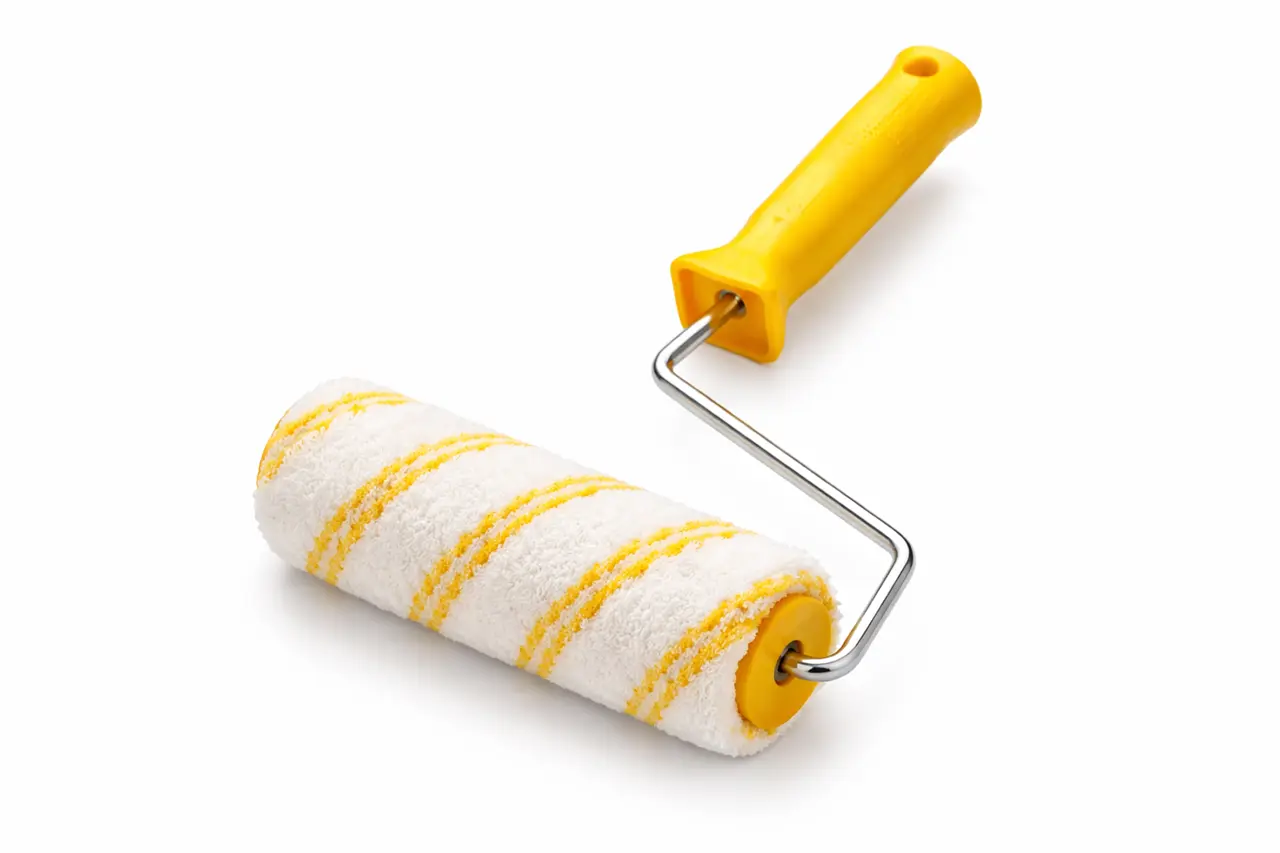
Conclusion
The best rollers for covering quickly in commercial painting jobs are those that complement the surface and paint system they’re used with—while being tough enough for relentless site work. Use a 10-12mm microfiber roller for most Dubai commercial interiors to get a fast, clean finish. At the same time, the 18-inch wide height rollers speed up coverage in large spaces and the nap woven roller leads to best experience when using rough plaster and textured walls.
Buy quality sleeves, heavy-duty frames and the right nap sizes if you want consistent results. You’ll complete sooner, minimize rework and deliver the site with confidence.
FAQs on “Best Rollers for Fast Coverage in Commercial Painting Jobs”
1) What is the best roller nap for fast wall coverage in commercial painting?
A 10–12 mm nap is usually the best balance for speed and finish on standard commercial walls.
2) Are 18-inch rollers worth it for commercial jobs?
Yes. For big walls and ceilings, 18-inch rollers can save time by enabling the painter to cover more ground with each pass.
3) Which roller type holds the most paint for quick coverage?
Microfiber rollers generally hold and release more paint efficiently, which supports faster coverage.
4) What roller should I use on rough plaster or blockwork?
Use a 15–20 mm long nap woven/polyamide roller to push paint into texture and reduce extra passes.
5) Do low-splatter rollers slow down painting?
Not usually. In fact, they can be faster overall because they reduce cleanup time and repainting due to mess.
6) Are foam rollers good for commercial walls?
Foam rollers are better for doors, trim, and smooth panels. For large walls, they are typically slower than microfiber.
7) How often should I replace roller sleeves on big projects?
Replace when the sleeve becomes matted, sheds fibers, or stops holding paint well—this prevents rework and saves time.
8) Is a paint tray or bucket faster for commercial sites?
A bucket with a grid is usually faster for large jobs and helps reduce spills.
9) Which roller is best for ceilings in commercial buildings?
A big roller (12-18 inch) with a 10-12 mm nap is best for most ceilings, depending on the texture.
10) How can I avoid lap marks when painting fast?
Work in sections and keep a wet edge. Also, don’t let the paint dry between overlaps.
11) Does roller quality really matter for speed?
Yes. High-quality sleeves and frames roll smoother, hold more paint, and reduce rework—so you finish faster.
12) What’s the best all-round roller setup for Dubai commercial repainting?
A 10–12 mm microfiber roller (9-inch) for walls, an 18-inch roller for large areas, plus a mini roller for tight sections is a strong all-round setup.