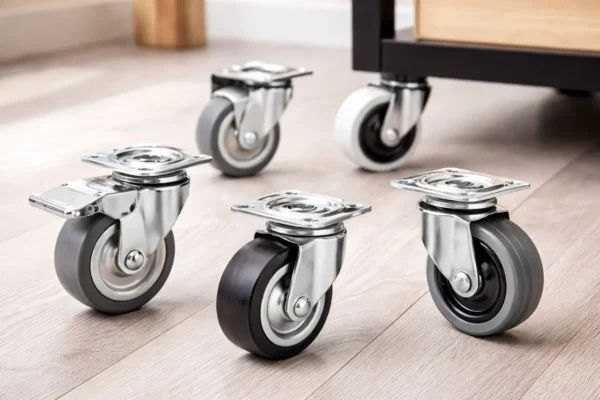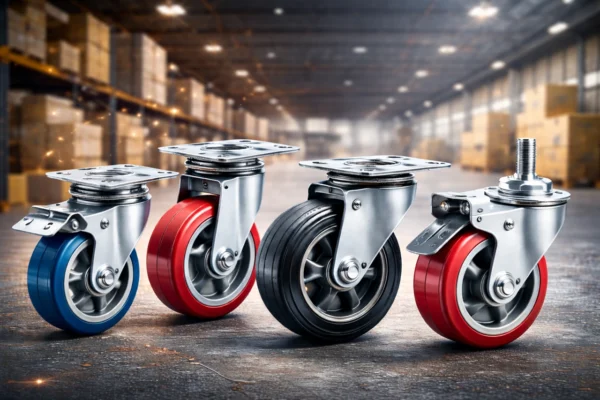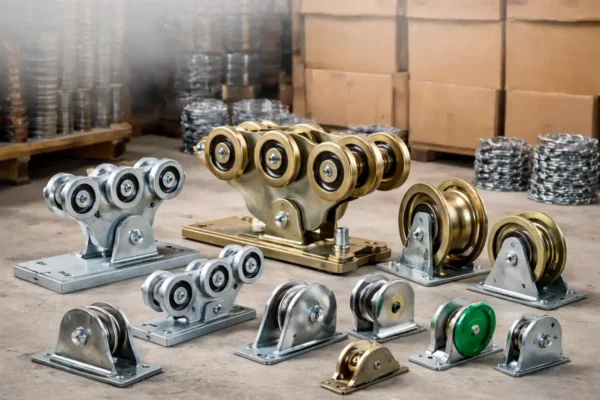

Best Castor Wheels for Warehouse Trolleys and Pallet Dollies in Dubai
If your warehouse trolley or pallet dolly glides along, the whole works feels quicker. The result: When the wheels chatter, flat-spot or jam, even a routine pick job becomes a workout. In this part of the world, in Dubai where air heavy with heat and dust spills across polished floors and under heavy loads, selecting the right castor wheels is far from a minor detail. Instead, it’s a productivity decision.
In this guide, we dissect what the best castor wheels for warehouse trolleys and pallet dollies in Dubai are with hands-on recommendations you can implement today — whether you operate a cold room in DIP, distribution hub close to JAFZA or busy store warehouse in Al Quoz. Buy Best Power Tools for Dubai
Why castor wheel choice matters in Dubai warehouses
Dubai warehouses commonly deal with three “silent killers” of wheel performance:
- High ambient temperatures that can soften lower-grade tread materials and increase bearing wear.
- Fine dust and grit that sneaks into bearings and brakes.
- Smooth epoxy or polished concrete floors where the wrong wheel either slips or leaves marks.
And for that reason, the “best” wheel is seldom the least expensive. Instead, the best industrial caster for your warehouse is whatever wheel aligns to your load, floor, speed and environment-so it can remain safe and predictable every day.
Warehouse trolley vs pallet dolly: what the wheel must handle
Although both are used for material movement, they behave differently:
Warehouse trolleys
A trolley often turns frequently, moves around aisles, and may carry mixed loads. Therefore, it needs:
- Easy swivel action
- Good shock absorption (for uneven joints and thresholds)
- Reliable brakes for safety
Pallet dollies
A pallet dolly usually carries heavier, wider loads and moves in straighter lines. As a result, it needs:
- Higher load capacity
- Stronger wheel cores and brackets
- Better floor protection under heavy weight
So, while one wheel type can sometimes work for both, the smartest approach is to pick castor wheels based on the specific equipment and working conditions.
The best castor wheel materials for Dubai (and when to use them)
1) Polyurethane (PU) castor wheels: the all-round winner
The preferred option for the majority of Dubai warehouses are Polyurethane castor wheels. They move quietly, will not damage floors and support medium-to-heavy loads without cracking or denting like hard plastic.
Best for:
- Epoxy floors and smooth concrete
- General warehouse trolleys
- Pallet dollies with frequent indoor use
Why they work well:
- Strong load handling without harsh vibration
- Non-marking options are common
- Great balance between rolling resistance and durability
Pro tip: Choose PU on a strong core (nylon or cast iron) for heavier applications. Buy
2) Nylon castor wheels: low rolling resistance, high durability
Nylon castor wheels are durable and roll quickly. But they’re also tougher on floors and noisier, particularly when you post down on joints or uneven patches.
Best for:
- Very heavy loads on strong floors
- Short travel distances
- Areas where chemicals or moisture are present
Watch-outs:
- Can be louder
- Can mark or stress softer floor coatings under high point loads
Still, if you want a wheel that is largely impervious to water and cleaning chemicals, nylon is hard to beat.
3) Rubber castor wheels: quiet ride and shock absorption
Rubber wheels absorb vibration beautifully. As a result, they’re ideal when your trolley carries fragile goods or rolls over small floor imperfections.
Best for:
- Quiet movement in retail backrooms
- Light-to-medium loads
- Areas with ramps or uneven joints
Dubai note: In very hot zones or outdoor yards, low-grade rubber can wear faster. Therefore, choose quality compounds and good hubs.
4) Cast iron / forged steel wheels: extreme loads, harsh conditions
For very high loads, cast iron wheels can be the right tool. They handle weight well and resist deformation. On the other hand, they are noisy and can damage floors.
Best for:
- Heavy industrial dollies
- Rough surfaces or steel plates
- Environments where floor finish is not a concern
If your facility has epoxy floors and you care about surface life, PU-on-iron is often the safer compromise.
Swivel vs rigid castors: the best setup for trolleys and dollies
A wheel’s material matters, but the configuration matters just as much.
Swivel castors
A swivel castor wheel helps you turn easily in aisles. Therefore, it’s almost essential for warehouse trolleys.
Rigid castors
A rigid castor tracks straight. As a result, it improves stability under heavy loads, especially on pallet dollies.
Best practice combinations
- Trolleys: 2 swivel + 2 rigid (classic) or 4 swivel (for tight spaces)
- Pallet dollies: 2 rigid + 2 swivel (heavy-duty stability)
If your operators complain about “wheel flutter” at speed, add a rigid pair or choose a larger diameter wheel.
Wheel size and load rating: the most common mistake
Many people choose a wheel based only on diameter. However, load rating and real-world conditions matter more.
How to estimate load per wheel (simple method)
- Take maximum load (including trolley weight).
- Divide by 3, not 4.
- Why? Because floors aren’t perfect, and one wheel often carries less load.
Then add a safety margin (especially for ramps or thresholds).
Recommended sizes (typical Dubai warehouse use)
- 100 mm: light-duty trolleys, short travel
- 125 mm: general-purpose warehouse trolleys
- 150–200 mm: pallet dollies, heavy loads, floor joints, ramps
Larger wheels roll easier over debris and expansion joints. Therefore, if you have rough patches or threshold plates, go bigger.
Related Articles:
» Stanley Power Tools in Dubai
Bearings and brackets: where quality really shows
A wheel can look fine on the outside while failing inside. So, pay attention to:
Ball bearings
Good for smooth rolling and higher speeds. In addition, they handle continuous movement well.
Roller bearings
Often used in heavier wheels; they tolerate higher radial loads.
Bracket finish
Dubai warehouses often prefer zinc-plated brackets for corrosion resistance. Meanwhile, for wet zones, wash-down areas, or coastal sites, stainless steel castors are a smarter investment.
Brakes and locks: essential for safety and control
For warehouse trolleys, braking isn’t optional. Instead, it’s a safety feature that prevents injuries and product damage.
Common brake types:
- Total lock brake: locks wheel and swivel—best for trolleys on ramps
- Directional lock: keeps swivel in a straight line—great for long aisles
- Side brake: easy to apply, common for general use
If you move heavy loads, choose a brake that locks both swivel and wheel. Otherwise, the trolley may still pivot under force. BuyPower Tools Dubai
Best castor wheel recommendations by application (Dubai-focused)
For standard warehouse trolleys (daily use)
- Non-marking polyurethane castor wheels
- 125–150 mm diameter
- Swivel + brake on two wheels
- Zinc-plated brackets, sealed bearings if possible
For pallet dollies carrying heavy cartons or equipment
- Heavy-duty polyurethane on nylon or iron core
- 150–200 mm diameter
- 2 rigid + 2 swivel (one or both swivel with brakes)
- Reinforced top plate and thicker bracket
For cold rooms and food handling areas
- Nylon or PU rated for low temperatures
- Sealed bearings
- Stainless steel brackets where wash-down happens
For dusty or gritty zones
- PU wheels with sealed bearings
- Regular cleaning schedule (more on that below)
Maintenance tips to extend castor wheel life
Even the best castor wheels need basic care. Fortunately, small habits prevent big breakdowns.
- Sweep grit often—dust acts like sandpaper in bearings.
- Check bolts and top plates weekly—loose mounts destroy brackets fast.
- Replace wheels in sets when possible—mixed wear causes tracking issues.
- Avoid overloading “just for one trip”—that’s how flat spots happen.
- Lubricate where recommended, but don’t over-grease in dusty areas.
Buying checklist: what to confirm before you order
Before you buy, confirm these five items:
- Load capacity per wheel (use the divide-by-3 rule)
- Floor type (epoxy, concrete, tiles, outdoor yard)
- Wheel material (polyurethane, nylon, rubber, iron)
- Mounting style (top plate, bolt hole, stem)
- Locking needs (brake type, directional lock, total lock)
When you match these correctly, your trolley feels lighter, tracks better, and stays safer. Buy Power Tool Maintenance
Order castor wheel : Call+971-50 925 1786
At Safatco Trading – Dubai, customers typically look for one thing: wheels that work without drama. That makes product + support the better solution – showing (and helping) you pick the right castor wheel size, whether to use ball bearing or roller, and how strong brackets need to be for your trolley or dolly rather than guessing only to have to replace every few months.
By sharing your trolley type, load range and floor condition you can quickly pinpoint the best-fit warehouse castors and eliminate hit-and-miss purchases.
FAQs: Best Castor Wheels for Warehouse Trolleys and Pallet Dollies in Dubai
1) What are the best castor wheels for warehouse trolleys in Dubai?
Most indoor warehouses will have 125–150 mm polyurethane castor wheels, which offer a good combination of strength for heavy loads and to protect floors while enabling smooth rolling
2) Which castor wheels are best for pallet dollies carrying heavy loads?
Choose for heavy-duty PU wheels with a nylon/iron core of at least 150–200 mm diameter and reinforced (or steel) brackets..
3) Are nylon wheels better than polyurethane?
Not always. Nylon castor wheels roll fast and resist chemicals, however polyurethane usually protects floors better and runs quieter.
4) Will polyurethane wheels mark epoxy floors?
Non-marking polyurethane wheels help prevent marks. Dirt does build up, and it can cause scuffing, so regular cleaning is a good idea.
5) What wheel size should I use for a warehouse trolley?
Most trolleys perform well with 125 mm wheels. If you cross joints or ramps, 150 mm often feels smoother.
6) How do I calculate the load rating I need?
Take the fully loaded trolley weight and divide by 3, then choose wheels rated above that number for a safety margin.
7) Do I need brakes on warehouse trolleys?
Yes, especially on ramps or when loading/unloading. A total lock brake improves safety because it locks both wheel and swivel.
8) What’s the difference between swivel and rigid castors?
A swivel castor turns readily to allow movement in tight aisles, and a rigid caster keeps the load straight to improve stability under heavy loads.
9) Which castor wheels work best in dusty warehouses?
PU wheels with sealed bearings work well. In addition, frequent sweeping prevents grit from damaging the bearing surfaces.
10) Are stainless steel castors necessary in Dubai?
They’re not always necessary. Cold room, wash-down zone or a coastal site then stainless steel castors will be more resistant to corrosion.
11) How long should castor wheels last in a warehouse?
It depends on load, floor, and speed. With correct selection and basic maintenance, good wheels typically last much longer than cheap, mismatched options.
12) Can I replace only one wheel instead of a full set?
You can, but performance may feel uneven. Therefore, replacing in pairs (or full sets for heavy-duty dollies) is often smoother and safer.